What is Ramadan?
Ramadan is the ninth month of the Islamic lunar calendar. It begins upon the visual sighting of the last full moon of the year and lasts 29 or 30 days, depending on the year. The holiday of Eid al-Fitr marks the end of Ramadan and the beginning of the next lunar month.
THE PURPOSE OF RAMADAN
Ramadan is intended originated as an observation of the first revelation of the Qur'an to Prophet Mohammed. During the blessed month of Ramadan, Muslims all over the world abstain from all food, drink, and other physical needs during the daylight hours (such as smoking or sex). But Ramadan is much more than just not eating and drinking: it is a time to purify the soul, refocus attention on God and practice self-discipline and sacrifice.
THE PRACTICE
Fasting during the month of Ramadan is considered one of the 5 Pillars of Islam--the five activities that shape a Muslim's life. Prayer occurs on a daily basis; pilgrimage to Mecca (Makka) is done once in a lifetime; charity and professing one's faith are both ongoing. Fasting for the month of Ramadan is an annual observance; every year, Muslims take an entire month out of their lives to observe this strict fast and rededicate themselves to worship and faith. Muslims are called upon to use this month to re-evaluate their lives in light of Islamic guidance.
We are to make peace with those who have wronged us, strengthen ties with family and friends, do away with bad habits--essentially to clean up our lives, our thoughts and our feelings. The Arabic word for "fasting" literally means "to refrain"--and it means not only refraining from food and drink, but also from evil actions, thoughts and words.
The physical effects of the fast are felt by Muslims as a reminder of those who suffer throughout the year--those who are poor, homeless, refugees--and who cannot meet their basic needs. It reminds Muslims not to be wasteful and to feel empathy for those who face hunger on a daily basis. We should feel gratitude for the bounties of Allah: clean water, sufficient healthy food, the comfort of a home and the health of our family members. There are so many in the world who must survive without these basic needs, and Ramadan is a time for us to give thanks and reaffirm our commitment to helping those in need.
During Ramadan, every part of our bodies must be restrained. The tongue must be restrained from backbiting and gossip. The eyes must restrain themselves from looking at unlawful things. The hand must give in charity and not touch or take anything that does not belong to it. The ears must refrain from listening to idle talk or obscene words. The feet must refrain from going to sinful places. In such a way, every part of the body observes the fast.
Therefore, fasting is not merely physical but is rather the total commitment of the person's body and soul to the spirit of the fast. Ramadan is a time to practice self-restraint; a time to cleanse the body and soul from impurities and re-focus one's self on the worship of God and charity to mankind.
You may book one of our Private Istanbul Tours to learn more about the Islam and Turkish culture. For more information regarding to private tours in Istanbul please contact us:
http://www.privateistanbulwalkingtours.com
🇹🇷 🇹🇷
@privateistanbulwalkingtours
http://www.privateistanbulwalkingtours.com
http://www.turkey-istanbultours.com
#privateistanbulwalkingtours
#ontripadvisor
#turkeyistanbultours
private tours in Istanbul, private Istanbul tours, Istanbul tours, private Istanbul walking tours, food tours in Istanbul, private Istanbul guided tours, Walking tours in Istanbul. #Istanbul walks. #meyhane#istanbul#hagiasophia #topkapipalace #bluemosque
http://www.privateistanbulwalkingtours.com
http://www.turkey-istanbultours.com
Review us on TripAdvisor: https://www.tripadvisor.com/Attraction_Review-g293974-d10212401-Reviews-Private_Istanbul_Walking_Tours-Istanbul.html
Private Istanbul tours, Private tours in Istanbul, Istanbul tours, private Istanbul guided tours, Istanbul walks, food walks, culinary tours, Istanbul tour, walking tours in Istanbul, food tours in Istanbul, Ephesus Tours, Cappadocia tours, Gallipoli tours, Turkey tours and TripAdvisor Istanbul tours.
http://www.privateistanbulwalkingtours.com
Sunday, 28 May 2017

Thursday, 25 May 2017
The Little Hagia Sophia:
Before Emperor
Justinian built the Hagia Sophia, he had to test out if the building would work
structurally so he built this miniature version first. Its original name was
the Church of Sergius and Bacchus, but the obvious architectural parallels with
the Hagia Sophia led to its long-held nickname becoming the building's official
title. During the Ottoman era, the church was converted into a mosque and it
still functions as a working mosque today. Although its proportions aren't as
grandiose as others in Istanbul, the building has been beautifully restored and
is well worth a visit. The walk here, down narrow alleyways lined with tall
Ottoman era buildings - some lavishly restored and others creaking their way
into dilapidation - is a tranquil respite from central Sultanahmet. Take the
time to have a glass of tea in the Little Hagia Sophia's peaceful garden to
sustain you for further sightseeing exploits.
You may book one
of our Private Istanbul Tours to explore more of The little Hagia Sophia. For
more information regarding to private tours in Istanbul please contact us:
http://www.privateistanbulwalkingtours.com @privateistanbulwalkingtours
http://www.privateistanbulwalkingtours.com
http://www.turkey-istanbultours.com
#privateistanbulwalkingtours
#ontripadvisor
#turkeyistanbultours
private tours in Istanbul, private Istanbul tours, Istanbul tours, private Istanbul walking tours, food tours in Istanbul, private Istanbul guided tours, Walking tours in Istanbul. #Istanbul walks. #meyhane#istanbul#hagiasophia #topkapipalace #bluemosque
http://www.privateistanbulwalkingtours.com
http://www.turkey-istanbultours.com
Review us on TripAdvisor: https://www.tripadvisor.com/Attraction_Review-g293974-d10212401-Reviews-Private_Istanbul_Walking_Tours-Istanbul.html
Private Istanbul tours, Private tours in Istanbul, Istanbul tours, private Istanbul guided tours, Istanbul walks, food walks, culinary tours, Istanbul tour, walking tours in Istanbul, food tours in Istanbul, Ephesus Tours, Cappadocia tours, Gallipoli tours, Turkey tours and TripAdvisor Istanbul tours.
http://www.privateistanbulwalkingtours.com
http://www.privateistanbulwalkingtours.com @privateistanbulwalkingtours
http://www.privateistanbulwalkingtours.com
http://www.turkey-istanbultours.com
#privateistanbulwalkingtours
#ontripadvisor
#turkeyistanbultours
private tours in Istanbul, private Istanbul tours, Istanbul tours, private Istanbul walking tours, food tours in Istanbul, private Istanbul guided tours, Walking tours in Istanbul. #Istanbul walks. #meyhane#istanbul#hagiasophia #topkapipalace #bluemosque
http://www.privateistanbulwalkingtours.com
http://www.turkey-istanbultours.com
Review us on TripAdvisor: https://www.tripadvisor.com/Attraction_Review-g293974-d10212401-Reviews-Private_Istanbul_Walking_Tours-Istanbul.html
Private Istanbul tours, Private tours in Istanbul, Istanbul tours, private Istanbul guided tours, Istanbul walks, food walks, culinary tours, Istanbul tour, walking tours in Istanbul, food tours in Istanbul, Ephesus Tours, Cappadocia tours, Gallipoli tours, Turkey tours and TripAdvisor Istanbul tours.
http://www.privateistanbulwalkingtours.com


Saturday, 6 May 2017
Hidrellez
Traditions
Hıdrellez, is one of the seasonal festivals of all Turkish world. Hıdrellez Day, which is known as Ruz-ı Hızır (day of Hızır), is celebrated as the day on which Prophets Hızır and Ilyas met with each other on the earth. The words Hızır and İlyas have since fused together pronounced as Hıdrellez. Hıdrellez Day falls on May 6 in the Gregorian calendar and April 23 in the Julian calendar, also known as the “Rumi” calendar.
In the folk calendar used by the people, the year used to be divided into two: The period between May 6 and November 8 was summer, called the “Days of Hızır”, and the period between November 8 and May 6 was winter, called the “Days of Kasım”. May 6 thus represents the end of winter and the start of the warm days of summer, a cause for celebration.
There are various theories about the origin of Hızır and Hıdrellez. Some of these suggest that Hıdrellez belongs to Mesopotamian and Anatolian cultures, and others that they belong to pre-Islamic Central Asian Turkish culture and beliefs. However, it is impossible to ascribe the Hıdrellez festival and beliefs surrounding Hızır to a single culture. Various ceremonies and rituals have been performed for various gods with the arrival of spring or summer in Mesopotamia, Anatolia, Iran, Greece and in fact all eastern Mediterranean countries since ancient times.
One widespread belief suggests that Hızır is a prophet who has attained immortality by drinking the water of life (ab-ı hayat), and who has reached God, and wanders around among people from time to time, especially in the spring, and helps people in difficulty and distributes plenty and health. The identity of Hızır, the place and the time he lives are not certain. Hızır is the symbol of spring, and the new life which emerges with it. In Turkey, where belief in Hızır is widespread, the characteristics attributed to him are as follows:
1. Hızır rushes to the aid of people, whose in difficulty and grants peoples’ wishes.
2. He always helps well-meaning, benevolent people.
3. He brings plenty and wealth wherever he stops.
4. He brings remedies to those who are troubled and health to the sick.
5. He helps plants to grow, animals to reproduce, and human beings to grow strong
6. He helps improve peoples’ fortune.
7. He is the symbol of good omens and good fortune.
8. He has the God-given power of working miracles.
With these characteristics attributed to him, Hızır brings to mind the gods, who are ascribed superior powers in mythology.
Hıdrellez Festival is celebrated on May 6 in Turkey. This date is regarded as the first day of spring, when nature stirs again, by Christians as well. The Orthodox celebrate this date as Hagia Georgi, and Catholics as St. George’s Day.
Hidirellez, one of Turkey’s seasonal festivals, is actively celebrated in the country. People prepare beforehand for Hidirellez celebrations in villages and small towns, although rather less now in the big cities. These preparations concern house-cleaning, clean clothing, and food and drink. Before Hidirellez Day, houses are cleaned from top to bottom, since people think that Hızır will not visit houses that are not clean. New clothes and shoes are purchased to wear on Hidirellez Day.
Giving alms, fasting and offering animals as a sacrifice are traditions in some parts of Anatolia to make prayers and wishes come true. Sacrifices and votive offerings should be for “the sake of Hizir”.
Hidirellez celebrations are always performed in green, wooded places, near sources of water, or near a tomb or shrine. Eating fresh spring plants, lamb’s meat or lamb’s liver is another custom in Hidirellez. It is believed that eating the first lamb of spring will bring health and cure the sick. It is also believed that picking flowers or plants in the countryside, boiling them and drinking the water will cure all illnesses, and that the water thus obtained rejuvenates and beautifies anyone who washes with it for forty days.
Various practices are performed on Hidirellez night in the belief that Hizir will bring blessing and abundance to the places he visits and the things he touches. Food bowls, pantries and purses are left open. Those who want a house, vineyard or garden believe that Hizir will help them obtain such things if they make a small model of what they want.
Ceremonies to improve peoples’ luck are also widespread at this time. This ceremony is called “baht açma” in Istanbul and its surroundings, “bahtiyar” in Denizli and surroundings, “mantıfar” by the Yoruks and Turkmens, “daglara yuzuk atma” in Balikesir and the neighboring area, “niyet çıkarma” in Edirne and its vicinity and “mani çekme” in Erzurum and the surrounding area. People test their luck in these ceremonies, in the belief that peoples’ fortunes will also take a turn for the better with the awakening of nature and all living creatures in the spring. The night before Hıdrellez, young girls who want to test their fortune and improve their luck gather in a green place or near water. They place some of their belongings, such as a ring, earring or bracelet in an earthenware jar and close the jar with fine muslin. They then they put the jar at the bottom of a rose tree. Early in the morning, they approach the jar and drink coffee with milk and pray for their peace and tranquility not to be spoiled. They then open the fortune jar. As they remove the objects from the jar, they recite verses or quatrains, and comments are made regarding the owner of the object that is taken out. This practice, peculiar to Hıdrellez, may differ slightly in procedure in different regions of the country. Recently, this ceremony has tended to be performed only to bring a change in fortune for spinsters.
Finally, Hıdrellez Festival, that is still celebrated with grand ceremonies in Anatolia, has been celebrated since ancient times. Although it is celebrated under different names and in different times, it is possible to see the motifs of Hıdrellez in many places. The arrival of spring and awakening of nature have been perceived man as a phenomenon to be celebrated. Thus, Hıdrellez, a spring festival, has gained a universal character.
You may book one
of our Private Istanbul Tours to explore more of Turkish culture. For more
information regarding to private tours in Istanbul please contact us:
http://www.privateistanbulwalkingtours.com @privateistanbulwalkingtours
http://www.privateistanbulwalkingtours.com
http://www.turkey-istanbultours.com
#privateistanbulwalkingtours
#ontripadvisor
#turkeyistanbultours
private tours in Istanbul, private Istanbul tours, Istanbul tours, private Istanbul walking tours, food tours in Istanbul, private Istanbul guided tours, Walking tours in Istanbul. #Istanbul walks. #meyhane #istanbul#hagiasophia #topkapipalace #bluemosque
http://www.privateistanbulwalkingtours.com
http://www.turkey-istanbultours.com
Review us on TripAdvisor: https://www.tripadvisor.com/Attraction_Review-g293974-d10212401-Reviews-Private_Istanbul_Walking_Tours-Istanbul.html
Private Istanbul tours, Private tours in Istanbul, Istanbul tours, private Istanbul guided tours, Istanbul walks, food walks, culinary tours, Istanbul tour, walking tours in Istanbul, food tours in Istanbul, Ephesus Tours, Cappadocia tours, Gallipoli tours, Turkey tours and TripAdvisor Istanbul tours.
http://www.privateistanbulwalkingtours.com
http://www.privateistanbulwalkingtours.com @privateistanbulwalkingtours
http://www.privateistanbulwalkingtours.com
http://www.turkey-istanbultours.com
#privateistanbulwalkingtours
#ontripadvisor
#turkeyistanbultours
private tours in Istanbul, private Istanbul tours, Istanbul tours, private Istanbul walking tours, food tours in Istanbul, private Istanbul guided tours, Walking tours in Istanbul. #Istanbul walks. #meyhane #istanbul#hagiasophia #topkapipalace #bluemosque
http://www.privateistanbulwalkingtours.com
http://www.turkey-istanbultours.com
Review us on TripAdvisor: https://www.tripadvisor.com/Attraction_Review-g293974-d10212401-Reviews-Private_Istanbul_Walking_Tours-Istanbul.html
Private Istanbul tours, Private tours in Istanbul, Istanbul tours, private Istanbul guided tours, Istanbul walks, food walks, culinary tours, Istanbul tour, walking tours in Istanbul, food tours in Istanbul, Ephesus Tours, Cappadocia tours, Gallipoli tours, Turkey tours and TripAdvisor Istanbul tours.
http://www.privateistanbulwalkingtours.com
Sunday, 30 April 2017
Everything you need to know about meze:
By now, you know a meyhane is a crucial part of Turkish
nightlife and you want to try one out. But what to do about that glass display
counter filled with a kaleidoscope of dishes that the waiters keep pointing you
towards? They’re sure to be packed with meze – small dishes of all assortments
and ingredients, meant to be eaten alongside copious amounts of raki.
Ordering at meyhane
works slightly differently than
other restaurants. Waiters come to your table with a tray packed with meze, or
they invite you to pick from a glass display counter. The variety may
overwhelm, but don’t be shy - choose with abandon. They may be small, but a
night at a meyhane often ends without the table ever ordering a main course.
But which ones to
go for? Eggplant? Fish? What about all of the yogurt and seasonal vegetables? Here’s
an illustrated guide to ordering at a meyhane, to help you better understand
the rich selection of meze.
Many meze include garlicky yogurt in some capacity. Haydari is one staple found in almost every
meyhane; garlicky strained yogurt seasoned with spices that resembles cacik, but is thicker and without
cucumber. There are also deep fried veggies served with yogurt, Russian-style
Olivier salad or just plain yogurt - the possibilities are endless. On a date?
Make sure you ask for the non-garlicky options.
In addition to
vegetables and herbs, seafood makes its way onto the meyhane tables. If you
order ciroz,
you’ll be served mackerels sun-dried then fried, served with vinegar, olive
oil, and lemon juice. The fish might look small, but they pack a flavour
wallop.
In its raw state, it may look like an inedible wild
weed. But when cleaned and boiled deniz borulcesi - sea
beans, salicornia, or glasswort - turns into a delicious side dish. On a
meyhane table, deniz borulcesi is usually served with garlicky yogurt
- again - or with olive oil.
A dish that has
been around since the Ottoman times, lakerda pops up on the
tables of seafood lovers. It is essentially Atlantic bonito fish brined for
weeks and served sliced with olive oil and seasoned with black pepper.
As the name implies, the Aegean dish fava is made with fava (broad) beans mashed
with onion, dill and olive oil. As it’s left in the fridge overnight, fava
takes a firm texture and is served as diamond slices with olive oil.
Essentially cured
fish roe whipped up with olive oil and lemon, creamy and sumptuous tarama might
become your favourite dip. Spread it on bread, or just dive in with a spoon.
Grilled,
peeled, and mashed eggplants, served with or without yogurt sounds delicious,
does it not? Meet patlican ezme (mashed eggplants), another popular
meze you’ll never tire of.
Fried,
diced eggplant with garlicky tomato sauce. This may sound like a main course,
but it is the recipe of popular meze şakşuka (shashuka). Generally served cold, some varieties may also
include fried potatoes.
Babunya
pilaki is one of the many types of zeytinyagli (vegetables cooked in olive oil). In this dish
Borlotti beans are cooked with onions, garlic, tomatoes, and carrots, lending
itself to a sweet and tart finish. Garnished with herbs and served with wedges
of lemon.
Chances are, you have tried the midye dolma (stuffed mussels) sold on the streets
around Istanbul. Spicy rice redolent of cinnamon is a great combination with
the shellfish meat. Although it may be a late-night food after night of
drinking, pair it with your drink on the table as well. Don’t forget that
essential squeeze of lemon!
Whether you ask for
it or not, a piece of feta cheese usually ends up on your plate. This is an
essential part of the Turkish meyhane, pairing the cheese and melon alongside
raki.
You may book
one of our Private Istanbul Tours to explore one of the true meyhane’s of Istanbul.
For more information regarding to private tours in Istanbul please contact us:
http://www.privateistanbulwalkingtours.com @privateistanbulwalkingtours
http://www.privateistanbulwalkingtours.com
http://www.turkey-istanbultours.com
#privateistanbulwalkingtours
#ontripadvisor
#turkeyistanbultours
private tours in Istanbul, private Istanbul tours, Istanbul tours, private Istanbul walking tours, food tours in Istanbul, private Istanbul guided tours, Walking tours in Istanbul. #Istanbul walks. #meyhane #istanbul #hagiasophia #topkapipalace #bluemosque
http://www.privateistanbulwalkingtours.com
http://www.turkey-istanbultours.com
Review us on TripAdvisor: https://www.tripadvisor.com/Attraction_Review-g293974-d10212401-Reviews-Private_Istanbul_Walking_Tours-Istanbul.html
Private Istanbul tours, Private tours in Istanbul, Istanbul tours, private Istanbul guided tours, Istanbul walks, food walks, culinary tours, Istanbul tour, walking tours in Istanbul, food tours in Istanbul, Ephesus Tours, Cappadocia tours, Gallipoli tours, Turkey tours and TripAdvisor Istanbul tours.
http://www.privateistanbulwalkingtours.com
http://www.privateistanbulwalkingtours.com @privateistanbulwalkingtours
http://www.privateistanbulwalkingtours.com
http://www.turkey-istanbultours.com
#privateistanbulwalkingtours
#ontripadvisor
#turkeyistanbultours
private tours in Istanbul, private Istanbul tours, Istanbul tours, private Istanbul walking tours, food tours in Istanbul, private Istanbul guided tours, Walking tours in Istanbul. #Istanbul walks. #meyhane #istanbul #hagiasophia #topkapipalace #bluemosque
http://www.privateistanbulwalkingtours.com
http://www.turkey-istanbultours.com
Review us on TripAdvisor: https://www.tripadvisor.com/Attraction_Review-g293974-d10212401-Reviews-Private_Istanbul_Walking_Tours-Istanbul.html
Private Istanbul tours, Private tours in Istanbul, Istanbul tours, private Istanbul guided tours, Istanbul walks, food walks, culinary tours, Istanbul tour, walking tours in Istanbul, food tours in Istanbul, Ephesus Tours, Cappadocia tours, Gallipoli tours, Turkey tours and TripAdvisor Istanbul tours.
http://www.privateistanbulwalkingtours.com


Saturday, 22 April 2017
Don’t Miss the International Istanbul Tulip Festival:
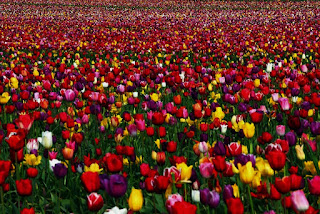
In April, the annual International Istanbul Tulip Festival (Istanbul Lale Festivali) takes place. This shouldn’t be a surprise if you know that — unlike common belief — tulips originated in Turkey. So, if you happen to be in Istanbul during this time of the year, you’re in luck. Millions of tulips are planted in Istanbul’s parks, avenues, traffic roundabouts … basically anywhere where some open ground is available. But what is the best place to admire the Istanbul tulips?
Tulips Originated in Turkey, Not Holland
Tulips originally grew wild on the Asian steppes. Although tulips are associated with Holland, commercial cultivation of the tulip or lale (from the Persian word lâhle) began in the Ottoman Empire. For an elaborated tulip history, you can consult Wikipedia’s page on tulips.
But the most widely accepted story is that of Oghier Ghislain de Busbecq, Ambassador of Ferdinand I to Suleyman the Magnificent of the Ottoman Empire in 1554. He made a remark in a letter that he saw “an abundance of flowers everywhere: narcissus, hyacinths and those in Turkish called Lale.” It’s no coincidence that this period — the wealthiest of the Ottoman era — is called the Tulip era (Lale Devri).
So how come we associate the tulips these days with Holland? In the 16th century they were brought to Holland from the Ottoman Empire, and quickly became widely popular. Charles de L’Ecluse, author of the first major work on tulips (1592) is largely responsible for the spread of tulip bulbs in the final years of the sixteenth century. He occupied a chair in the medical faculty of the University of Leiden (Holland), and planted both a teaching garden and his own private one, from which between 1596 and 1598 hundreds of bulbs got stolen.
Admire Istanbul Tulips in Emirgan Park. During the month of April, you can spot these glorious spring flowers everywhere in Istanbul. But for a real tulip treat and the International Istanbul Tulip Festival, you have to head to Emirgan Park. It is one of the largest public parks in Istanbul and has several tulip gardens. Emirgan Park is located by the Bosphorus in Sariyer, which is a little bit past the second Bosphorus Bridge. The park is open daily from 07:00 until 22:30. You can reach Emirgan Park by bus 25E from Kabatas.
You may book one of our Private Istanbul Tours to explore Istanbul. For more information regarding to private tours in Istanbul please contact us:
http://www.privateistanbulwalkingtours.com @privateistanbulwalkingtours
http://www.privateistanbulwalkingtours.com
http://www.turkey-istanbultours.com
#privateistanbulwalkingtours
#ontripadvisor
#turkeyistanbultours
private tours in Istanbul, private Istanbul tours, Istanbul tours, private Istanbul walking tours, food tours in Istanbul, private Istanbul guided tours, Walking tours in Istanbul. #Istanbul walks. #maidentower #istanbul #hagiasophia #topkapipalace #bluemosque
http://www.privateistanbulwalkingtours.com
http://www.turkey-istanbultours.com
Review us on TripAdvisor: https://www.tripadvisor.com/Attraction_Review-g293974-d10212401-Reviews-Private_Istanbul_Walking_Tours-Istanbul.html
Private tours in Istanbul, Istanbul tours, private Istanbul guided tours, Istanbul walks, food walks, culinary tours, Istanbul tour, walking tours in Istanbul, food tours in Istanbul, Ephesus Tours, Cappadocia tours, Gallipoli tours, Turkey tours and TripAdvisor Istanbul tours.
http://www.privateistanbulwalkingtours.com



Subscribe to:
Posts (Atom)